What is Brush Clearing and how does it work?
Brush clearing is the removal of overgrown vegetation, small trees, vines, and debris from your property to reduce fire risk, improve access, and keep your land usable. It's not the same as full land clearing or tree removal.
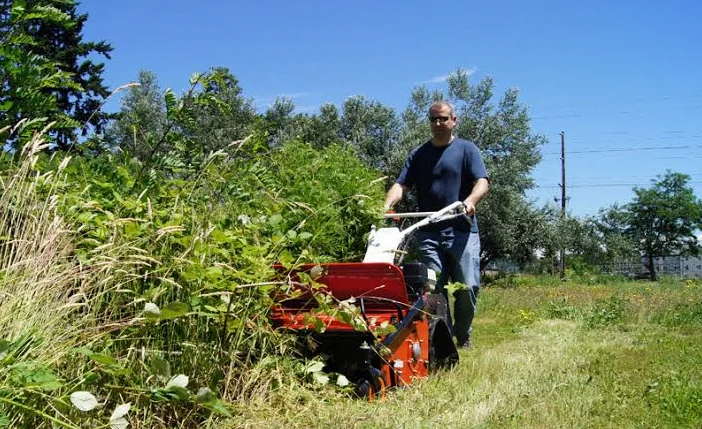
Think of brush clearing as the heavy lifting between basic lawn care and full-scale land clearing. You've got a patch of kudzu that's swallowed a fence line, a hillside of privet and poison ivy, or a backyard where briars have made it impossible to walk. That's brush. A crew comes in with brush mowers, chainsaws, and sometimes a skid steer to cut it down, haul it off, and leave you with bare ground or manageable stubble.
In Birmingham, the main culprits are privet, kudzu, honeysuckle, and the volunteer saplings that pop up along fence rows and creek banks. A lot of homeowners wait until the stuff is head-high before calling. By then the root systems are thick and the vines have wound into every chain-link fence and gutter downspout. That's when clearing gets slower and more expensive.
Brush clearing is not tree removal. If you have a 40-foot oak that's dead or leaning, that's a different job with different equipment and insurance. Brush clearing handles stuff you can cut with a brush saw or mow with a heavy-duty mower. The line blurs a little with small trees under 4 inches in diameter, but anything bigger is usually quoted separately.
The goal is to give you back usable space. Maybe you want to put in a garden, build a fence, or just keep the city from sending a nuisance violation notice. Brush clearing gets the land back to a state where you can actually do something with it.
How Brush Clearing works, step by step
A typical brush clearing job starts with a site walk, then the crew cuts and removes vegetation, grinds stumps if needed, and finishes with a clean pass to level the ground. The whole process usually takes one to three days.
First comes the walkthrough. Someone from the company walks the property with you, points out property lines, marks any underground utilities or sprinkler lines, and notes what stays and what goes. This is where you say "leave that magnolia" or "that pile of rocks is the old well cap, don't hit it." A good company will flag anything that could cause a problem.
Next is the cutting phase. For light brush, a heavy-duty brush mower on a skid steer or tractor can knock it down in a single pass. For thicker stuff, a crew member with a chainsaw or brush cutter goes through first, dropping saplings and cutting vines at the base. Kudzu is a special pain because it grows in thick mats. The crew will often cut it, rake it into piles, and let it dry before hauling it away.
After the cutting, the debris gets loaded into a dump trailer or truck. Some companies chip the brush on site and leave the chips for you. Others haul everything to a disposal site. Ask which method they use before they start. If you want the chips for mulch or erosion control, say so. If you want the ground bare, they'll need to haul off everything.
The last step is grading or leveling if the ground is rutted from equipment. Not every job needs this, but if the brush was thick and the ground was soft, you might end up with tire tracks that need smoothing. A quick pass with a box blade or rake takes care of it. Then you're done.
- Site walk and marking property lines and utilities.
- Cutting brush, vines, and small trees with brush mowers and chainsaws.
- Removing debris: hauling, chipping, or both.
- Optional grading to smooth ruts and level the ground.
Why Brush Clearing matters for your home
Overgrown brush is a fire hazard, a pest magnet, and a code violation waiting to happen. Clearing it lowers your insurance risk, keeps rodents and snakes away from your house, and saves you from city fines.
Birmingham has a real fire season, especially in late summer and early fall when things dry out. A thicket of dead privet and dry kudzu right next to your deck is basically kindling. If a cigarette butt or a spark from a lawnmower hits it, that fire can reach your siding in minutes. Clearing a 30-foot buffer around your house is one of the cheapest ways to protect it.
Rodents and snakes love brush piles. Rats, mice, and voles nest in the thick stuff, and copperheads and rat snakes follow the food. If you've got brush touching your foundation, you're inviting them inside. Clearing it back gives pests nowhere to hide and makes it easier to spot a problem before it becomes an infestation.
The city of Birmingham enforces nuisance ordinances on overgrown lots. If a neighbor complains or a code enforcement officer spots your property, you'll get a notice to clear it within a set time. Ignore it and the fines add up, plus the city can send a crew to do the work and bill you for it. That bill is always higher than what a private company would charge.
There's also the simple matter of property value. A clean, cleared lot looks bigger and more inviting. If you're thinking of selling, a brush-choked yard is a red flag to buyers. They see the work they'll have to do and subtract it from their offer. Clearing it before listing can pay for itself in the sale price.
Common problems and what causes them
The most common problems are regrowth, hidden debris, and damage to underground lines. These happen when the clearing is rushed, the crew doesn't dig out roots, or nobody marks utilities first.
Regrowth is the number one complaint. If the crew only cuts the tops of privet or kudzu and doesn't treat the stumps or grind the roots, it'll be back in a season. Some companies offer a follow-up spray for an extra fee. Others just cut and go. Ask about regrowth treatment before you hire. If the contract doesn't mention it, assume the brush will return.
Hidden debris is another headache. A thick patch of brush can hide old fencing, buried trash, concrete chunks, or even an abandoned car. The crew's equipment hits that stuff and either breaks a blade or gets stuck. That can mean extra charges or a job that takes twice as long. Walk the property yourself before the crew arrives and point out anything you know is buried.
Underground utility lines are a real danger. Gas lines, water lines, and buried cable TV lines are easy to hit with a skid steer or stump grinder. A good company calls 811 before any job that involves digging or heavy equipment. If they don't, find another company. The cost of repairing a severed gas line is on you if you didn't have the utilities marked.
Erosion can become a problem after clearing, especially on slopes. Bare ground with no root structure will wash out in a heavy rain. If your property has a grade, ask the crew about leaving some ground cover or seeding the area after clearing. A cheap cover crop like annual rye grass can hold the soil until you decide what to plant permanently.
Common questions about Brush Clearing
Need brush clearing in Birmingham? Get a free estimate today.
📞 256-588-8791