What is Residential Brush Clearing and how does it work?
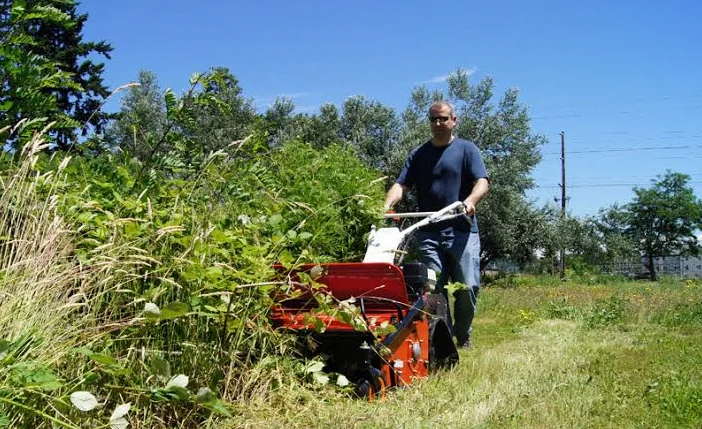
Residential brush clearing is the removal of overgrown vegetation, fallen trees, thick underbrush, and invasive growth from your yard or lot. It turns a tangled mess into usable, safe space.
Think of it as a deep clean for your land. Over a few years, kudzu, privet, and poison ivy can take over a corner of your property. Dead limbs pile up after a storm. That brush pile behind the shed grows into a small forest. Residential brush clearing cuts it all down, hauls it away, and leaves the ground bare or lightly mulched.
The work goes beyond what a lawn crew can handle with a mower. We're talking about thick stuff: saplings two inches thick, briar patches you can't walk through, and vines that climb up into your trees. A standard mower would just get tangled or break. We use heavy equipment like skid steers, brush hogs, and chainsaws, plus hand crews for the tight spots.
Most Birmingham properties have some mix of oak, pine, and sweetgum, with honeysuckle and kudzu taking over the understory. A typical job might clear a half-acre of kudzu that's smothered a fence line, or remove a tangle of privet and dead limbs along a creek bank. The goal is to reset the vegetation so you can actually use the land again.
You don't have to clear everything at once. Many homeowners start with the worst area, like the back corner where the brush is tallest, then decide later if they want more done. A good crew will work with you to prioritize what matters most.
How Residential Brush Clearing works, step by step
A crew first walks the property to mark boundaries and identify hazards. Then they cut and remove vegetation, grind stumps if needed, and grade or seed the cleared area. The whole process usually takes one to three days.
The first step is a site walk with the homeowner. We look for property pins, underground utilities, septic lines, and any trees that might be unsafe. In Birmingham, older neighborhoods often have utility lines buried shallow, so we call 811 to mark them before any digging starts. We also check for poison ivy and yellow jackets, which are common in overgrown lots here.
Next comes the cutting. For large areas, a brush hog on a tractor or skid steer chews through saplings and thick brush in wide passes. For steep slopes or areas near the house, hand crews use chainsaws, brush cutters, and string trimmers with heavy-duty blades. They cut everything down to ground level, leaving a clean, open surface.
After cutting, we haul the debris away. This is where a lot of homeowners get surprised. A single overgrown acre can produce ten to twenty tons of brush, vines, and logs. We load it into dump trucks and take it to a local disposal site or a recycling center that chips it into mulch. If you want to keep some of the mulch for your garden, just ask.
If there are stumps, we grind them down to six inches below grade. That keeps them from sprouting new growth and makes the ground easy to mow or plant. For large stumps, like a mature oak, we use a stump grinder that can handle a thirty-inch diameter in about twenty minutes. Smaller stumps are often ground at the same time as the brush clearing.
Finally, we smooth the ground and can seed it with a native grass mix if you want. Fescue and Bermuda do well in Birmingham's clay soil. We don't guarantee the grass will take, but we'll rake the area flat and spread seed so you've got a head start.
Why Residential Brush Clearing matters for your home
Overgrown brush is a fire hazard, attracts pests, and can lower your property value. Clearing it protects your home, improves drainage, and gives you usable outdoor space.
In Birmingham, summer thunderstorms and dry spells create perfect conditions for wildfires. A thick layer of dead leaves and dry brush next to your house acts like kindling. The Birmingham Fire Department has responded to several brush fires that started in overgrown lots and spread to homes. Clearing a thirty-foot buffer around your house is one of the simplest ways to reduce that risk.
Rats, snakes, and ticks love dense brush. A pile of kudzu or a patch of privet gives them cover and a place to breed. If you've got kids or pets playing in the yard, you don't want copperheads or deer ticks living ten feet from the back door. Clearing the brush removes their habitat and makes your yard safer.
Drainage problems often start with overgrown vegetation. Roots from invasive plants like privet can clog French drains and redirect water toward your foundation. In Birmingham's heavy clay soil, that leads to basement seepage and foundation cracks. Clearing the brush lets you see where water is actually flowing and fix the problem.
Property value matters. A house with a clean, open lot sells faster and for more than one with a jungle in the back. Even if you're not selling, a cleared yard gives you room for a garden, a playset, or just a place to sit outside. You bought the land for a reason, and brush clearing lets you actually use it.
Common problems and what causes them
Most problems come from poor access, hidden hazards, and underestimating how much regrowth happens. Kudzu and privet are especially stubborn and need follow-up treatment.
Access is the biggest headache. If your lot is landlocked by fences, narrow gates, or steep slopes, the crew can't get heavy equipment in. That means more hand work and longer days. In Birmingham's older neighborhoods, like Forest Park or Crestline, lots are often narrow with tight alleyways. A crew might have to carry chainsaws and brush cutters in by hand, which slows everything down.
Hidden hazards are common. An old septic tank lid covered by vines, a buried sprinkler line, or a forgotten well can stop a job cold. We've hit a buried car in one overgrown lot and a concrete slab that used to be a shed floor. Always walk the property with the crew beforehand and point out anything you remember being there.
Regrowth surprises a lot of homeowners. Kudzu can grow a foot a day in the summer, and privet stumps will send up new shoots within weeks. Clearing the brush is only half the job. You need to follow up with herbicide or regular mowing to keep it from coming back. A good crew will tell you which plants need chemical treatment and which ones you can just mow down.
Another issue is leaving debris too long. If you clear brush but don't haul it away right away, the pile becomes a new habitat for snakes and rodents. It also dries out and becomes a fire hazard. Always arrange for immediate hauling, or at least have a plan to chip or burn the debris within a week.
Common questions about Residential Brush Clearing
Need brush clearing in Birmingham? Get a free estimate today.
📞 256-588-8791