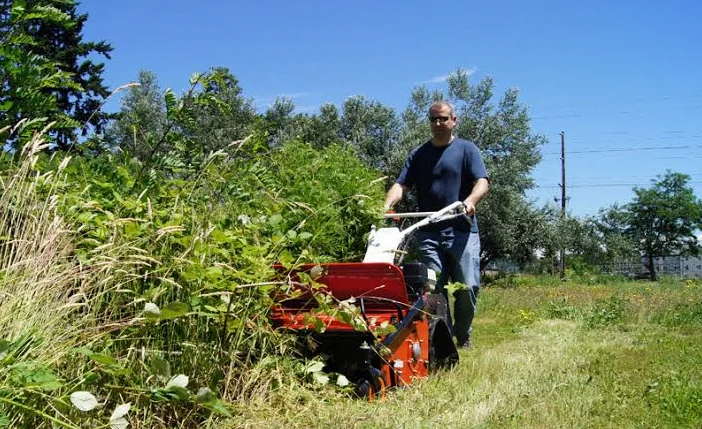
What is Brush Clearing and how does it work?
Brush clearing is the removal of overgrown vegetation, trees, stumps, and debris from your property to reduce fire risk, improve access, and prepare land for use. It typically involves cutting, grinding, and hauling away material.
Think of brush clearing as a deep reset for your land. Over years, kudzu, privet, and volunteer pines can turn a manageable yard into a tangled mess. In Birmingham, where clay soil and humidity push growth fast, a patch of brush can double in size in a single growing season. Clearing it means bringing in heavy equipment or a skilled crew to cut, chip, and haul everything off so you start with bare ground or a clean edge.
The work itself breaks down into three steps: cutting, processing, and removal. Cutting means chainsaws and brush mowers taking down the thick stuff. Processing turns the debris into manageable piles or chips. Removal loads it onto trucks or trailers and hauls it to a disposal site. Some jobs also include stump grinding if you want the roots gone too.
Most Birmingham homeowners call for brush clearing when they're buying or selling a property, after a storm drops trees and limbs, or when they're tired of fighting a thicket that's eating their fence line. It's not the same as mowing. Mowing keeps grass short. Brush clearing removes woody growth, vines, and saplings that a lawnmower can't touch.
One thing that surprises people: brush clearing isn't just a one-time fix. If you clear a patch but leave the soil bare, seeds from nearby trees and weeds will sprout within weeks. A good crew will either recommend a follow-up treatment or show you how to maintain the cleared area with mulch, ground cover, or regular spot-trimming.
How Brush Clearing works, step by step
A typical brush clearing job starts with a site walk, then moves to cutting, processing, and hauling. The crew uses chainsaws, brush mowers, chippers, and dump trucks to get the job done in one to three days for most residential lots.
First comes the walk-through. The crew lead walks the property with you, marking boundaries, flagging any underground utilities, and noting trees you want to keep. In Birmingham, utility lines are often buried shallow, so they call 811 to mark gas and electric lines before any equipment rolls. This step takes thirty minutes to an hour but saves a world of trouble.
Cutting starts with the biggest stuff first. Chainsaws drop dead or unwanted trees, then a skid steer with a brush mower attachment chews through thickets of privet, blackberry brambles, and young pines. For steep slopes along Shades Mountain or near the Cahaba River, the crew may use a tracked machine that grips the hillside better than wheels.
Processing happens right behind the cutting. A chipper turns branches and vines into wood chips, which can be left on site as mulch or hauled away. Logs get cut into firewood lengths or loaded onto a truck. Stumps get ground down to six inches below grade with a stump grinder. The goal is to leave nothing that will resprout or rot into a trip hazard.
Removal is the final push. A dump truck or trailer hauls the debris to a permitted disposal site. Some Birmingham companies recycle wood chips into landscaping mulch or give them to local farms. Others take everything to the landfill. Ask your contractor where the debris ends up. If they recycle, that's a plus.
The whole process can take a day for a quarter-acre lot or three days for a heavily overgrown acre. Weather matters. Rain turns Birmingham clay into a slick mess that bogs down equipment. Most crews schedule clearing for dry spells between April and October.
Why Brush Clearing matters for your home
Brush clearing reduces wildfire risk, keeps pests like snakes and rodents away from your house, improves property value, and makes your land usable for gardens, fences, or building projects.
Birmingham sits in a region where summer thunderstorms and dry spells create a real wildfire season. Overgrown brush acts as fuel. A fire that starts on the neighbor's land or from a tossed cigarette can race through dry privet and pine needles straight to your siding. Clearing a thirty-foot buffer around your home gives the fire department a fighting chance.
Pests love thick brush. Rats, mice, snakes, and ticks all thrive in the dense, damp cover that overgrown vegetation provides. In Birmingham, copperheads are common in brush piles near creeks and drainage ditches. Clearing that growth pushes those critters back into the woods where they belong.
Property value is another reason. A house with a clean, open lot sells faster and for more money than one surrounded by a jungle. Even if you're not selling, a cleared yard feels bigger and safer. Kids can play without disappearing into a thicket. You can actually see your fence line.
Then there's access. Overgrown brush can hide a leaking pipe, a broken fence post, or a foundation crack until the damage is serious. Clearing gives you eyes on every corner of your property. It also makes it easier for utility workers to read your meter or fix a line without fighting through brambles.
Finally, brush clearing prepares land for improvement. Want a vegetable garden, a shed, or a parking pad? You can't build on top of a brush pile. Clearing first saves you from tearing out roots and rocks later.
Common problems and what causes them
Most brush clearing problems come from underestimating the growth, skipping utility locates, or trying to do it yourself without the right equipment. These lead to regrowth, damaged lines, and half-finished jobs.
Regrowth is the number one complaint. A homeowner clears a patch of brush in spring, feels good about it, and by August the same spot is covered in green again. That happens when the crew only cuts the tops and leaves the roots. In Birmingham's clay soil, privet and kudzu roots can go three feet deep. A proper clearing grinds stumps and treats cut stems with herbicide to stop resprouting.
Another common issue is hitting underground utilities. A homeowner with a rented brush mower or a skid steer can slice through a gas line or cable without knowing it. That's why professional crews always call 811 and hand-dig around marked lines. A gas line repair can cost thousands and shut down your street for hours.
Some people try to burn brush instead of hauling it. In Birmingham city limits, open burning is restricted, and even in unincorporated areas, a burn pile can get out of control fast. Dry conditions plus a breeze equal a wildfire. Plus, burning leaves stumps that still need grinding. It's usually cheaper and safer to let a crew chip and haul.
Then there's the access problem. A lot that's landlocked or has a narrow driveway can't fit a dump truck or a skid steer. That forces the crew to hand-carry everything out, which adds time and labor. Always mention your access situation when you call for a quote so the contractor can bring the right equipment.
Finally, there's the surprise of buried trash. Old tires, appliances, and construction debris often hide under decades of brush. Hauling that out costs extra and requires special disposal. A good crew will flag it during the walk-through and give you a separate price.
Common questions about Brush Clearing
Frequently Asked Questions
How much does brush clearing cost in Birmingham?
Every job is different, so there's no single price. The cost depends on the size of the area, how thick the brush is, whether stumps need grinding, and how far the crew has to haul the debris. A free on-site quote is the only way to get an accurate number for your property.
Do I need to be home during the clearing?
Not necessarily, but it helps. The crew lead will want to walk the property with you to mark boundaries and flag trees you want to keep. If you can't be there, leave clear markings or a written note. Most crews will text or call with updates.
Will brush clearing kill my grass or plants I want to keep?
A good crew works around what you want to save. They'll flag desirable trees and shrubs and avoid driving equipment over flower beds. But heavy equipment can compact soil and damage shallow roots. If you have specific plants, point them out during the walk-through.
What time of year is best for brush clearing in Birmingham?
Late fall through early spring is ideal. The ground is drier, leaves are down so you can see the property lines, and snakes and poison ivy are less active. Summer clearing works too, but the heat and humidity slow the crew down.
Can I clear brush myself with a chainsaw and a mower?
You can, but it's hard work and dangerous if you're not experienced. A chainsaw kickback can send you to the ER. Plus, you'll need a way to haul the debris. Many homeowners start and burn out after a weekend. Professional crews finish in a day or two with equipment that makes the job safe and fast.
What happens to the wood chips after clearing?
Some crews leave the chips on site as free mulch. Others haul everything away. Ask your contractor what they do. If you want the chips, they can spread them over the cleared area to suppress weeds and hold moisture.
Do you handle poison ivy and poison oak?
Yes, but the crew will take precautions. They wear protective gear and wash equipment afterward. If you have a heavy infestation, mention it when you call. The crew may use a targeted herbicide spray a few weeks before cutting to kill the vines at the root.
Will clearing disturb my septic system or drainage field?
It can if the crew doesn't know where the lines are. That's why you should mark your septic tank and drain field before they start. Most crews will avoid driving heavy equipment over those areas. If the brush is growing right on top of the septic, they'll hand-cut it.
How long does it take for the cleared area to look normal again?
Right after clearing, the ground will look bare and maybe a little rough. Within a few weeks, grass and weeds will start to grow back unless you put down seed or mulch. If you want a lawn, plant fescue in the fall. If you want to keep it clean, lay down landscape fabric and gravel or pine straw.
Do I need a permit to clear brush in Birmingham?
For most residential lots under an acre, no permit is needed for clearing. But if you're removing trees near a creek or on a steep slope, you may need a stormwater permit. Check with the Birmingham City Planning Department or ask your contractor. They'll know the local rules.
Need brush clearing in Birmingham? Get a free estimate today.
📞 256-588-8791